In its aid projects, People in Peril focuses on activities that not only provide long-term support and strengthen communities but also promote sustainability and environmental conservation.
Supporting Sustainable Agriculture
In many of the areas where we work, agriculture is the primary source of livelihood for poor families. Climate change has also negatively affected crop yields. Long periods of drought, torrential rains, and severe storms threaten families’ ability to secure sufficient harvests.
As part of our aid efforts, we focus on building irrigation systems, collecting rainwater, installing solar panels, constructing greenhouses, and planting trees that prevent soil erosion, retain moisture, and protect from the sun.
Bees Help Both Nature and Local People
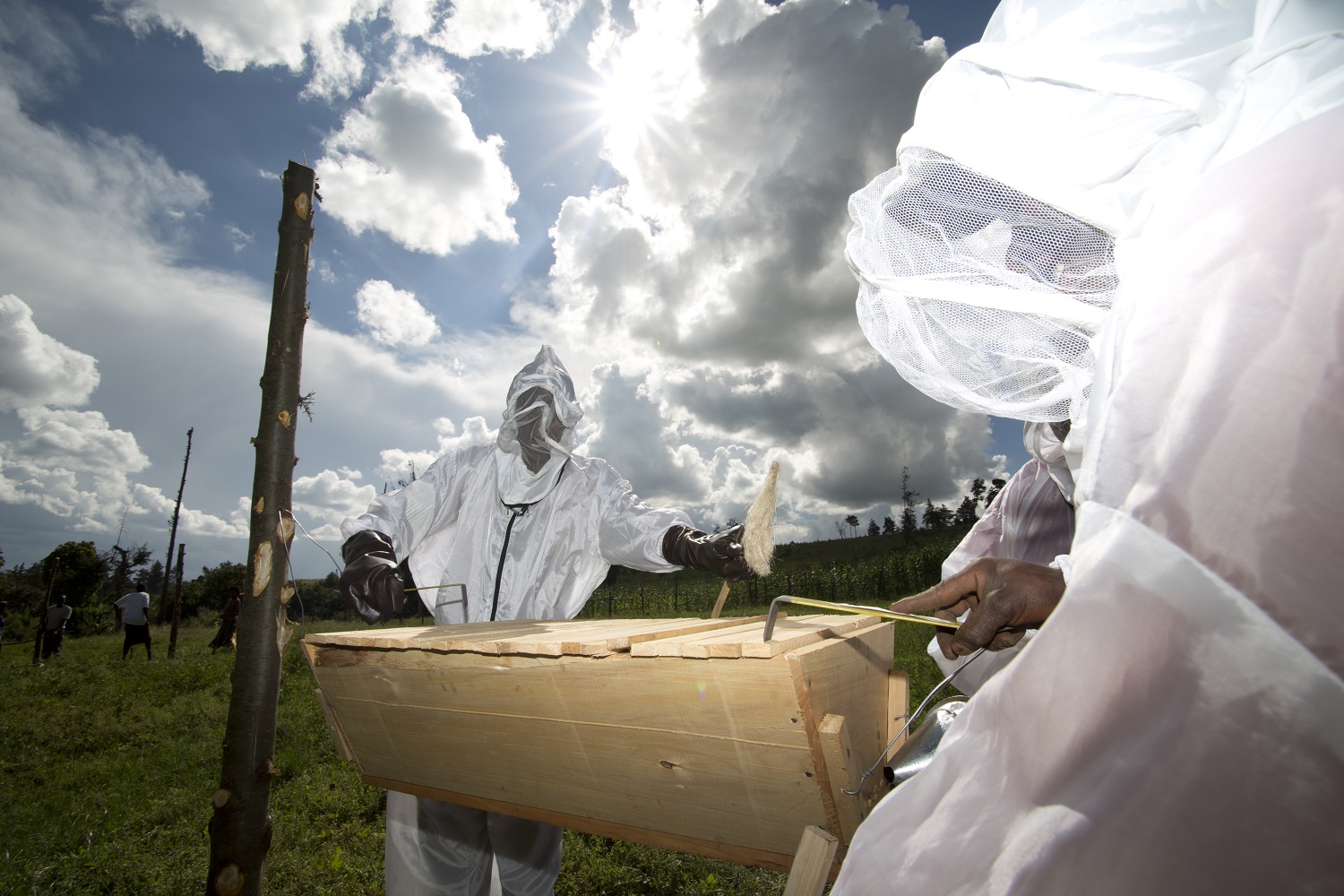
We support the development of beekeeping in impoverished countries, recognizing the crucial role bees play as pollinators that positively impact the environment. Additionally, honey is a healthy dietary supplement and a source of income, as it can be sold at local markets.
In our projects, we have provided 237 people in Kenya’s Kilifi district with beehives, trap boxes, and honey harvesting tools. We also offered beekeeping training to 137 individuals. Mida Creek, part of a UNESCO biosphere reserve with valuable mangroves, benefits from bee activity that supports the local ecosystem.
Rainwater Harvesting for Small Farms
The Akkar region in northern Lebanon, near the Syrian border, is home to nearly half a million residents, over 90% of whom live in poverty. Although the soil is fertile and suitable for agriculture, the hilly terrain makes irrigation challenging; fewer than half of the farmers had access to irrigation systems.
We extended an existing irrigation system by 2 km, increasing water access for an additional 85 farms. In collaboration with the local agricultural cooperative, we installed a rainwater collection, filtration, and recycling system. Rainwater is gathered in tanks, filtered using a solar-powered filter, and used to wash olives before pressing for oil. Afterward, the water is pumped back into the tanks for reuse. During oil production, this system significantly reduced the consumption of drinking water, allowing thousands of liters to be preserved, critical in a region facing water scarcity.
Trees Bring Benefits to Poor Communities
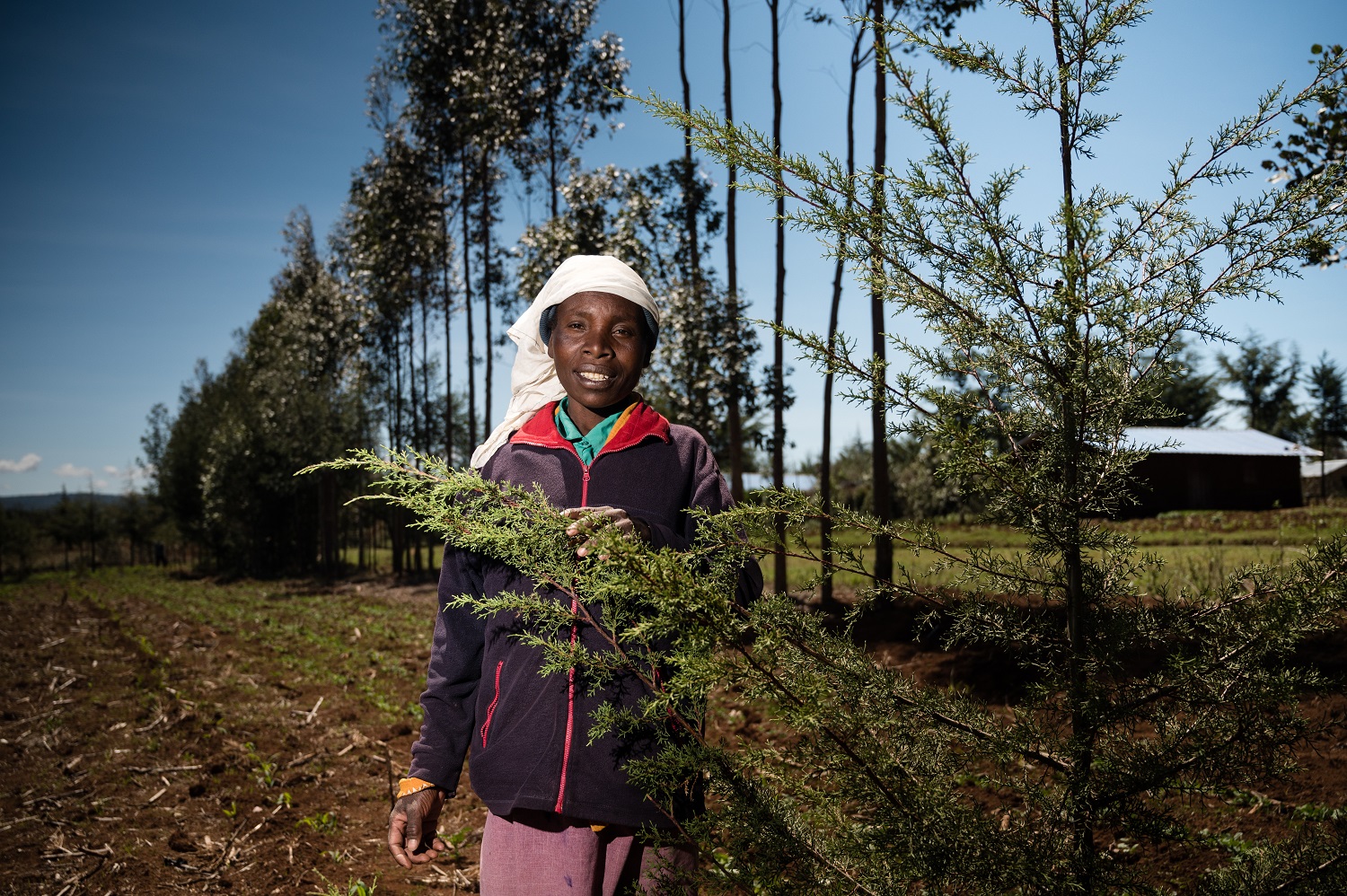
In Kenya, many people were displaced due to ethnic conflicts, living in slums under difficult conditions for up to 20 years. When resettlement began, it was almost impossible for these communities to sustain agriculture due to harsh conditions—strong winds, heavy rains, and intense sunlight.
We provided up to 3,000 seedlings to help reforest these areas. Trees offer protection against wind, provide shade from the sun, and help regulate water flow during heavy rains, thereby supporting local farming and livelihoods.
Would you like to give a gift and support similar projects? Consider donating Seedlings or Clean water.
Thank you for your support.